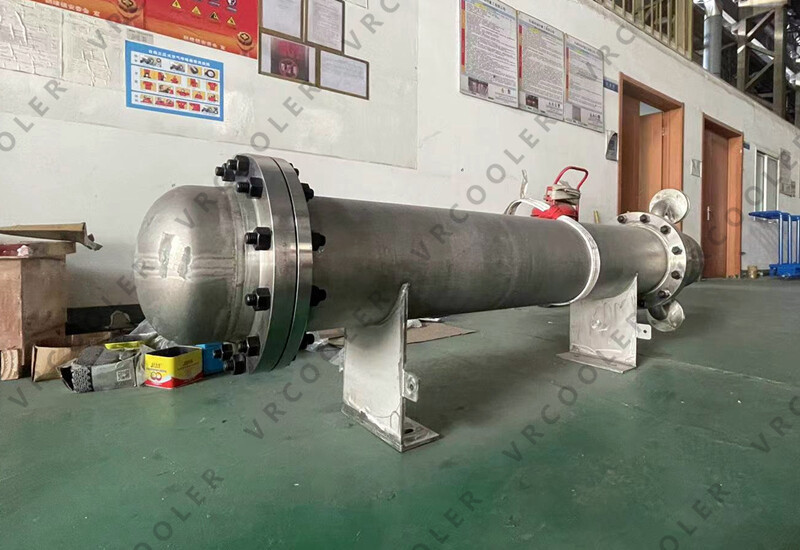
How do I determine the appropriate tube and shell materials for a shell-and-tube heat exchanger?
To determine the appropriate tube and shell materials for a shell-and-tube heat exchanger, several factors need to be considered:
Fluid compatibility: Assess the chemical nature of the fluids being handled. For corrosive fluids, materials like stainless steel, titanium, or certain alloys might be suitable.
Temperature range: Higher temperatures may require materials with good high-temperature strength and resistance to creep, such as certain grades of stainless steel or nickel-based alloys.
Corrosion resistance: Depending on the environment, materials with specific corrosion-resistant properties are chosen. For example, in a marine environment, copper-nickel alloys might be considered.
Cost: Different materials have different costs, and a balance needs to be struck between performance and affordability.
Mechanical strength: Ensure the materials can handle the pressure and mechanical stresses imposed.
Industry standards and regulations: Some industries have specific requirements for material selection.
Availability and manufacturability: Consider the availability of the materials and the ease of fabricating the exchanger with them.
Longevity and maintenance: Materials that are durable and require less frequent maintenance are often preferred.
For instance, if the exchanger is to handle acidic fluids at moderate temperatures, stainless steel 316L might be a good choice for both tubes and shell.
In a high-temperature application with non-corrosive fluids, a high-alloy steel could be used. Or if cost is a major factor and the fluids are relatively benign, carbon steel might be selected for the shell with more corrosion-resistant tubes.