
How does a shell and tube heat exchanger compare to a plate heat exchanger?
Here are some comparisons between a shell and tube heat exchanger and a plate heat exchanger:
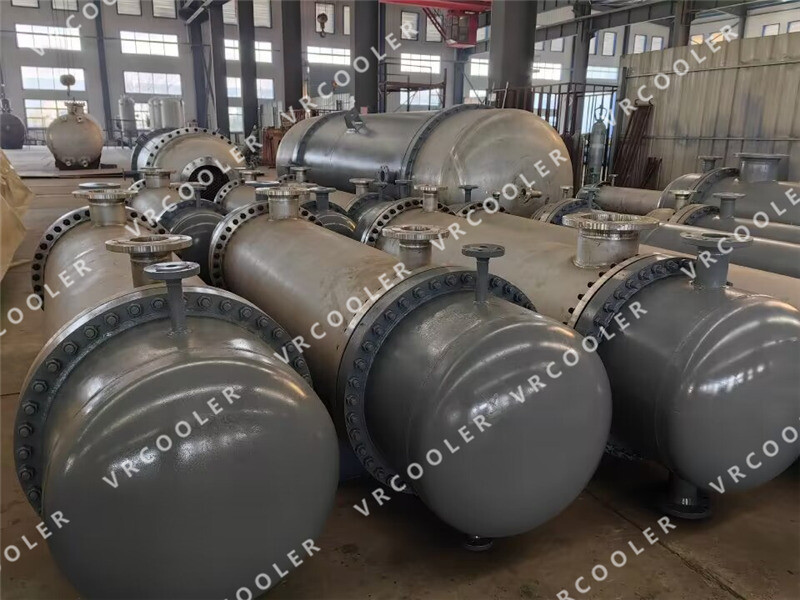
Advantages of Shell and Tube Heat Exchanger:
Can handle higher pressures and temperatures.
More suitable for applications with large temperature differentials.
Can be used with fluids that may be more viscous or have higher fouling potential.
Tend to be more durable and have a longer lifespan in some cases.
Advantages of Plate Heat Exchanger:
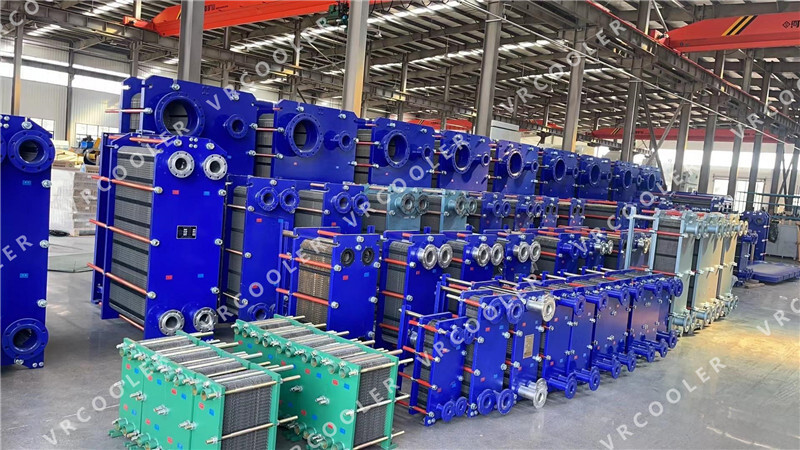
Has a higher heat transfer coefficient, resulting in more efficient heat transfer for a given size.
Is more compact and requires less space.
Allows for easier cleaning and maintenance.
Can be more flexible in terms of configuration and fluid arrangements.
Is often more cost-effective for certain applications with moderate pressure and temperature requirements.
In different scenarios, the choice between the two depends on factors such as specific process conditions, fluid properties, space availability, and performance requirements.
