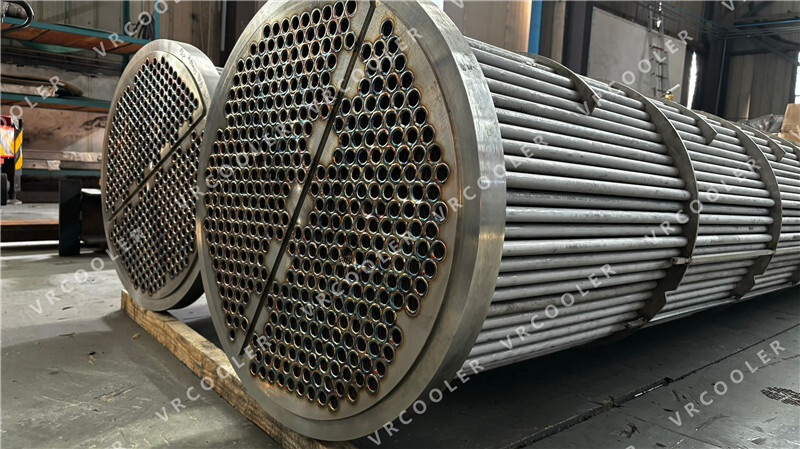
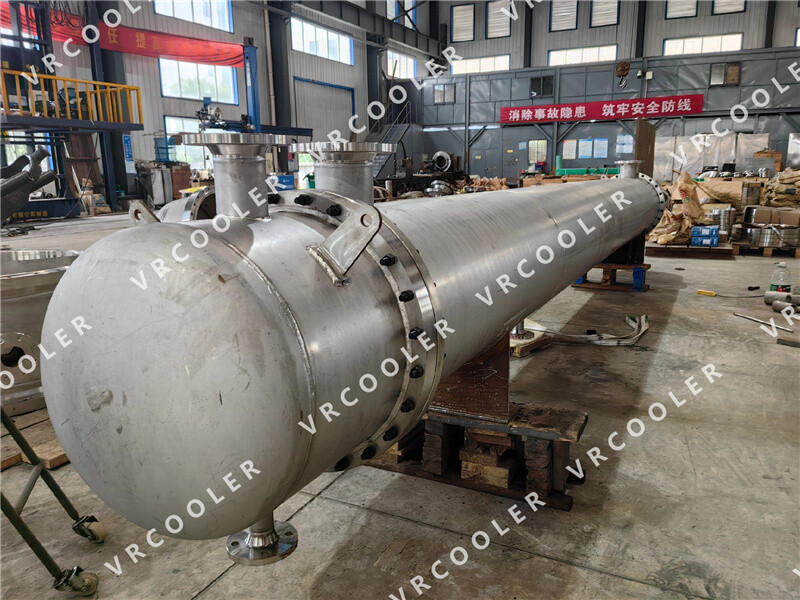
In a shell and tube heat exchanger, heat is transferred through several mechanisms. Firstly, conduction occurs through the tube walls themselves. The heat from the hotter fluid on one side of the tube wall is conducted across the wall to the cooler fluid on the other side.
Convection also plays a significant role. The movement of the fluids within the tubes and in the shell side creates convective currents that aid in heat transfer. The hotter fluid transfers its heat to the surrounding fluid molecules, which then move and distribute the heat.
Another aspect is the contact and interaction between the fluids and the tube walls. This interface allows for efficient heat exchange. The turbulence and flow patterns of the fluids enhance the convective heat transfer.
For example, consider a situation where hot water is flowing through the tubes and cold air is passing over the shell. The heat from the hot water is conducted through the tube walls and transferred to the cold air by convection. The continuous flow and mixing of the fluids ensure that heat is effectively transferred throughout the exchanger.
Moreover, the design and configuration of the tubes, such as their spacing and arrangement, can impact heat transfer. A well-designed exchanger maximizes the surface area available for heat transfer and promotes optimal fluid flow and mixing to enhance the overall efficiency of the heat transfer process.