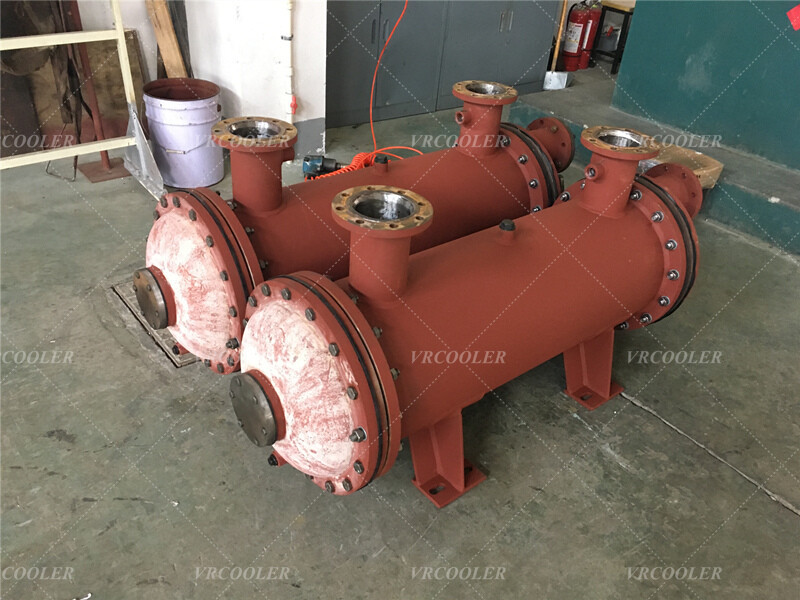
How to Choose a Heat Exchanger Suitable for Use in Seawater?
Here are some key points for selecting a heat exchanger suitable for use in seawater:
Material selection:
Due to the corrosive nature of seawater, preference should be given to materials with high corrosion resistance. Titanium alloys, for example, have excellent resistance to seawater corrosion. Stainless steels such as 316L or duplex stainless steels are also resistant to seawater corrosion to some extent. For example, heat exchangers made of titanium alloys are often used in the seawater cooling systems of some ships.
Certain special nickel-based alloys may also be considered, which perform well in harsh marine environments.
Structural design:
Optimised shell and tube construction helps to improve heat exchange efficiency while reducing fouling build-up.
Proper flow path design ensures that seawater flows evenly through and reduces areas of localised overheating or overcooling. For example, the use of multiple flow designs can increase the heat exchange area.
Seal performance:
High-quality seals are essential to prevent seawater leakage and mixing with other media.
Choose suitable sealing materials such as seawater-resistant rubber or specialised sealants.
Antifouling treatments:
Surface coatings or special treatments can reduce bio-adhesion and fouling deposits.
Examples include the use of anti-fouling coatings or electrolytic anti-fouling systems.
Ease of maintenance:
Easily disassembled and cleaned for regular maintenance and inspection.
Design should take into account easy replacement of damaged parts.