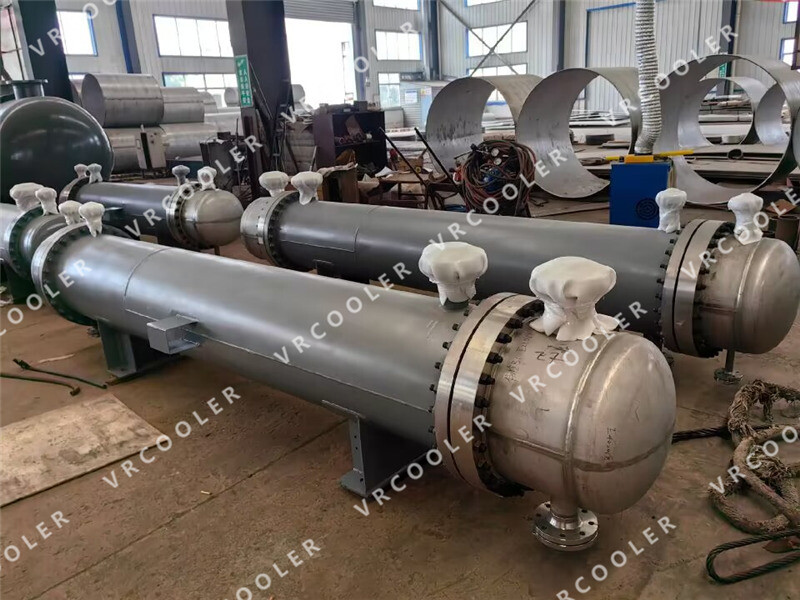
How to prevent shell and tube heat exchanger from corrosion?
The following are some ways to prevent shell and tube heat exchanger from corrosion:
Material selection: Use corrosion-resistant materials such as stainless steel, titanium, or specific alloys for the tubes and shell based on the fluids being handled.
Surface treatment: Apply coatings or treatments to enhance the corrosion resistance of the metal surfaces.
Fluid management: Control the composition and quality of the fluids to minimize corrosive elements.
pH control: Adjust the pH of the fluids within an appropriate range to reduce corrosive effects.
Inhibitors: Add corrosion inhibitors to the fluids to slow down the corrosion process.
Regular inspection and maintenance: Detect and address any early signs of corrosion promptly.
Avoid moisture condensation: Ensure proper insulation and ventilation to prevent condensation that can lead to corrosion.
Electrochemical protection: Such as cathodic protection in some cases.
Filtering the fluids: Remove any contaminants or particles that could contribute to corrosion.
Operating within design parameters: Do not exceed the recommended temperature, pressure, or other limits that might increase the risk of corrosion.