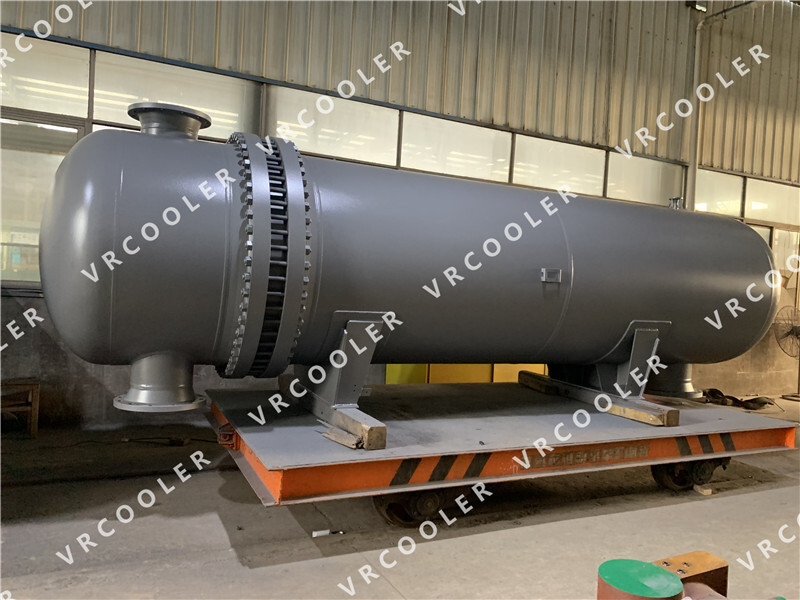
What are the factors affecting the shell and tube heat exchanger?
The following are the main factors that can affect a shell and tube heat exchanger:
Fluid properties: Such as viscosity, specific heat, and thermal conductivity of the fluids being processed.
Flow rates: Higher or lower flow rates can impact heat transfer efficiency and pressure drop.
Temperature difference: The difference between the inlet and outlet temperatures of the fluids.
Tube diameter and length: Affect heat transfer and fluid flow characteristics.
Tube layout and spacing: Influences heat transfer and fluid distribution.
Shell diameter: Can impact fluid flow patterns and pressure drop.
Material of construction: The choice of materials for tubes, shell, and gaskets can determine corrosion resistance and other properties.
Fouling potential: The tendency of the fluids to deposit or accumulate on the exchanger surfaces.
Operating pressure: Affects the mechanical integrity and performance.
Heat exchanger design: Overall design parameters like baffle configuration and number of passes.
Ambient conditions: Surrounding temperature and humidity can have an effect.
Fluid composition: Chemical composition of the fluids and any potential for reactions or degradation.