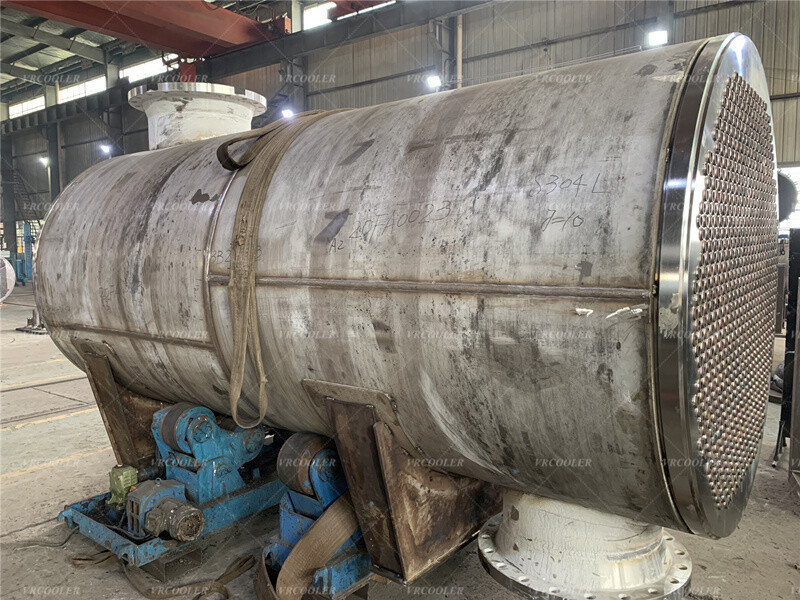
In a shell and tube heat exchanger, the selection of shell and tube fluids is mainly based on the following aspects:
1. flow rate:
If a fluid has a high flow rate, it is usually selected for the shell and tube flow. This is because the relatively large cross-sectional area of the flow in the shell stage is better able to accommodate large flow rates and reduce the pressure drop. For example, in a water-oil heat exchange, if the flow rate of water is large, water may be placed in the shell stroke.
2. Corrosivity:
More corrosive fluids are generally arranged in the pipe range. This facilitates the selection of more corrosion-resistant tubing and reduces the risk of corrosion damage to the equipment. For example, fluids containing strong acids or alkalis usually go to the pipe range.
3. pressure:
Higher pressure fluids are usually placed in the pipe range. Because the pipe can withstand higher pressures, and the sealing of the pipe process is relatively easy to achieve, thus ensuring the safety and stability of the system.
4. dirt factor:
Easy to scale the fluid should be arranged in the pipe range, in order to facilitate cleaning and maintenance. For example, contains more impurities or easy to produce dirt fluid.
5. Temperature:
Higher temperature fluids are sometimes arranged in the pipe range, because the material selection and structural design of the pipe range can be better adapted to high temperature conditions.
6. Toxicity and flammability and explosiveness:
Fluids that are toxic, flammable and explosive are more often arranged in the piping section to reduce the risk of leakage and hazards.
For example, in chemical production, when high-temperature toxic gases need to be cooled, the toxic gases will be arranged in the pipe range; while in air-conditioning systems, refrigerants used for refrigeration (such as Freon) usually go in the pipe range due to high pressure and certain toxicity, while water goes in the shell range.