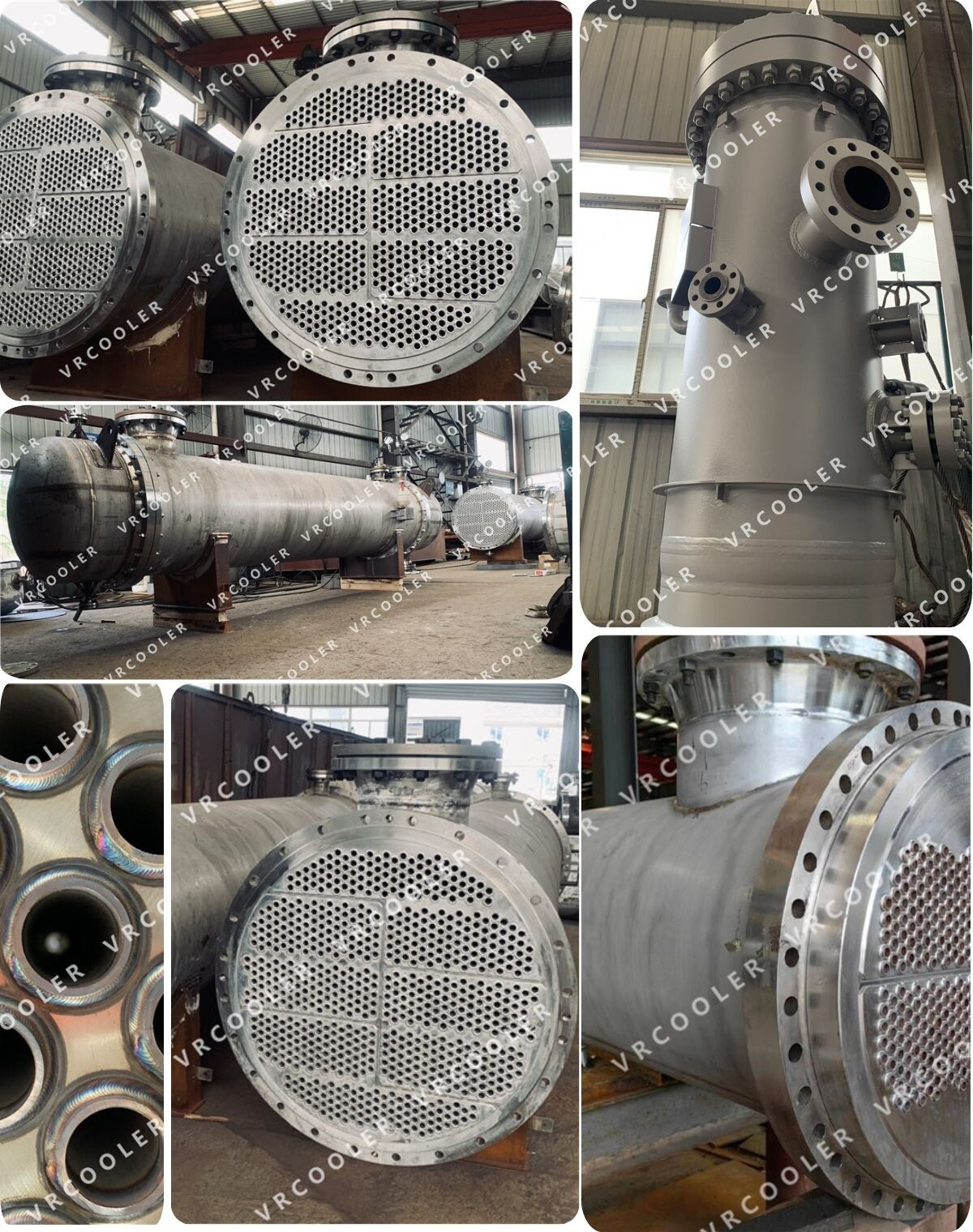
What is the most commonly used shell and tube heat exchanger?
Some of the most commonly used shell and tube heat exchangers include:
Fixed tube sheet heat exchanger: Simple and widely used in many industries.
U-tube heat exchanger: Allows for some flexibility in thermal expansion.
Floating head heat exchanger: Facilitates easier maintenance and handling of different thermal expansion rates.
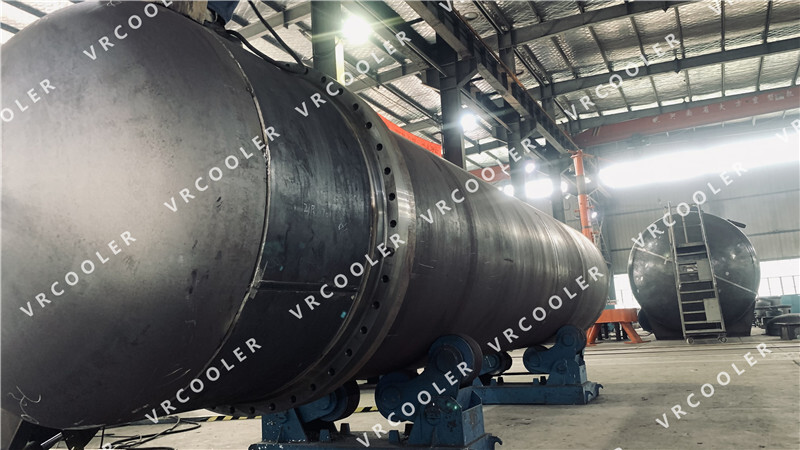
Fixed Tube Sheet Heat Exchanger:
Advantages:
Simple design and relatively easy to manufacture.
Good mechanical strength.
Disadvantages:
Limited ability to accommodate thermal expansion differences, which can lead to stress and potential damage.
Difficult to clean and maintain tubes on one side.
U-Tube Heat Exchanger:
Advantages:
Allows for significant thermal expansion without excessive stress.
Can handle fluids with different expansion coefficients.
Disadvantages:
The U-tubes can be more difficult to fabricate and may have slightly lower heat transfer efficiency.
Cleaning the tubes can be a bit more challenging.
Floating Head Heat Exchanger:
Advantages:
Great flexibility in handling thermal expansion.
Easier to access and maintain tubes.
Can be used in applications with wider temperature variations.
Disadvantages:
More complex design and potentially higher cost.
May have some potential for leaks at the floating head connection.