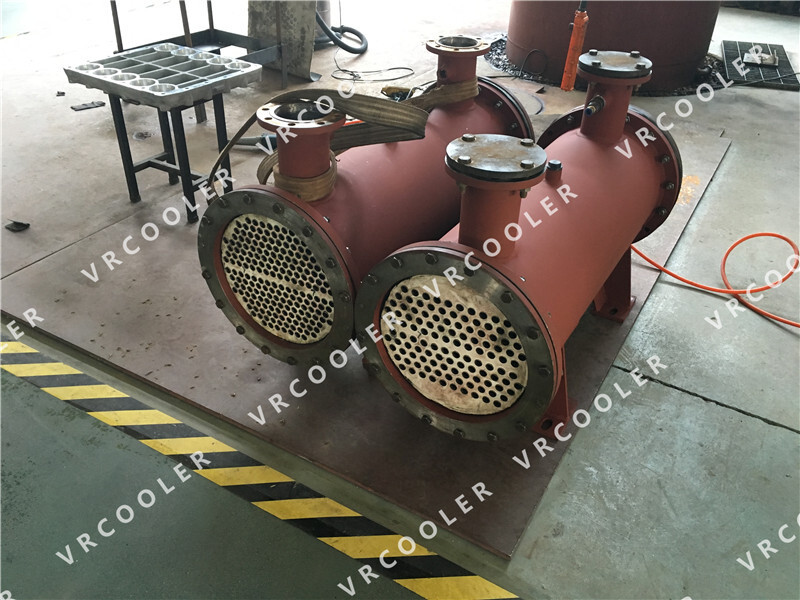
Why are shell and tube heat exchangers so common?
Shell and tube heat exchangers are so common for several reasons:
Versatility: They can handle a wide range of fluids, temperatures, and pressures, making them suitable for diverse industrial processes.
High heat transfer efficiency: The design allows for effective heat exchange between the fluids.
Reliability: They are mechanically robust and have a long service life when properly maintained.
Easy maintenance: Tubes can be accessed and replaced relatively easily if needed.
Large heat transfer surface area: The multiple tubes provide a significant area for heat transfer.
Scalability: They can be designed in different sizes and configurations to meet specific requirements.
Cost-effectiveness: In many cases, they offer a good balance of performance and cost.
Industry familiarity: They have been widely used for a long time, and engineers and operators are familiar with their operation and troubleshooting.
Resistance to high pressures: Can withstand significant pressure differentials.
Adaptability to various process conditions: Can be customized to fit different fluid properties and flow rates.