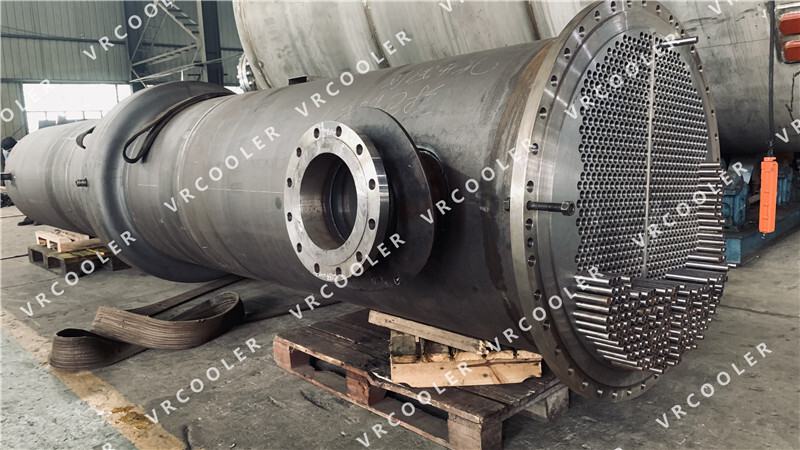
Shell and tube heat exchangers have certain advantages over plate heat exchangers in some cases, which may include:
Higher pressure tolerance: They can typically handle much higher pressures, which is important in some industrial processes.
Greater fluid compatibility: Can be more suitable for handling a wider range of fluids with different properties, including highly corrosive or viscous fluids.
Easier maintenance for certain issues: For example, tube replacement is often relatively straightforward.
More robust design: Tend to be more durable and less prone to damage in harsh operating conditions.
Less sensitive to fouling in some situations: Depending on the fluids and operating conditions.
Well-established technology: Have a long history of use and a wealth of engineering knowledge and experience associated with them.
However, it's not that shell and tube heat exchangers are always strictly "better" overall.
Plate heat exchangers also have their own unique advantages such as higher heat transfer efficiency in some scenarios, more compact size, and potentially lower cost in certain applications.
The choice between the two depends on specific process requirements, fluid characteristics, and other factors for each particular application.