
Steam extraction unlocking hidden energy
Recovering heat from turbine stages
Extraction steam from different turbine stages contains valuable thermal energy that would otherwise be wasted. By redirecting this steam into the feedwater heater, the system captures and reuses this energy effectively.
Improving thermal cycle efficiency
Preheating feedwater reduces the temperature gap inside the boiler, which increases the efficiency of the overall Rankine cycle.
Reducing unnecessary heat input
Less additional fuel is required to reach the desired steam temperature, leading to lower operational costs.
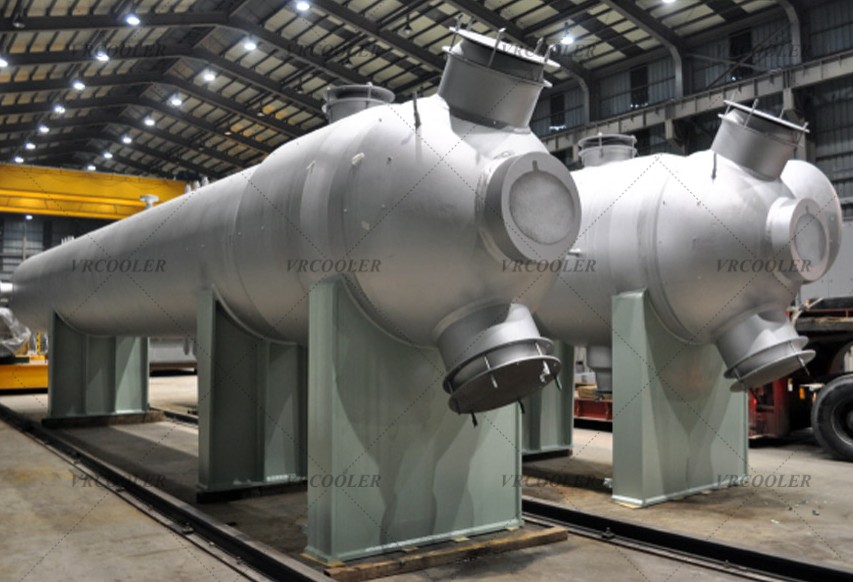
Shell and tube structure supporting high pressure
Reliable operation under pressure
The shell and tube design can withstand high-pressure steam and water conditions commonly found in power plants.
Mechanical strength for long-term use
Thick-walled shells and reinforced tube sheets provide durability over extended operating periods.
Stable heat transfer under load
Even with fluctuating loads, the structure maintains consistent performance.
Flow arrangement guiding heat exchange
Counterflow improving efficiency
Opposite flow directions between steam and water maximize heat transfer efficiency.
Controlled distribution of fluids
Proper design ensures even flow across tubes, avoiding dead zones.
Reduced thermal losses
Efficient flow design minimizes energy dissipation.
Material design ensuring durability
High temperature resistant materials
Materials are selected to handle extreme heat conditions without degradation.
Corrosion resistance considerations
Proper alloys prevent damage from water chemistry.
Long service life expectations
Durable materials extend operational lifespan.
Operational stability in real conditions
Consistent temperature control
The heater maintains steady output temperature.
Adaptability to load variation
Performance remains stable under changing plant demands.
Reduced maintenance interruptions
Robust design minimizes failure risk.
Project outcome delivering efficiency gains
Lower fuel consumption achieved
Energy savings were observed after installation.
Improved plant performance
System efficiency increased noticeably.
Long-term operational reliability
The unit continues to operate without issues.