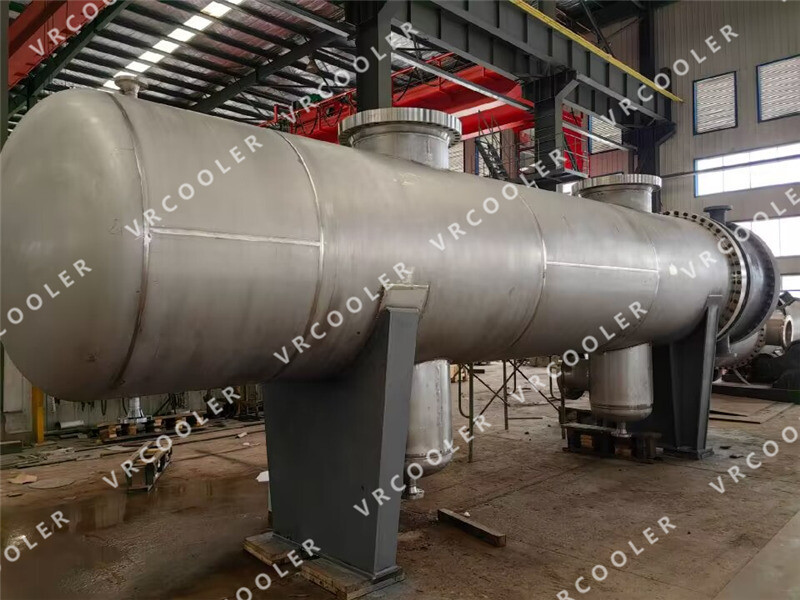
How to make shell and tube heat exchanger?
The process of making a shell and tube heat exchanger typically involves the following steps:
Design and engineering: Determine the specifications, such as fluid types, flow rates, temperatures, and pressure requirements. Calculate the appropriate tube and shell dimensions, baffle configurations, and other design parameters.
Material selection: Choose suitable materials for the shell, tubes, baffles, and other components based on the fluids and operating conditions. Common materials include stainless steel, carbon steel, and various alloys.
Tube fabrication: Cut the tubes to the required lengths and shape the ends as needed.
Shell construction: Weld or assemble the shell sections to form the main body.
Tube insertion: Insert the tubes into the shell and secure them in place, often using tube sheets.
Baffle installation: Install the baffles inside the shell to direct the fluid flow and enhance heat transfer.
Welding and joining: Perform welds to connect various components and ensure leak tightness.
Pressure testing: Subject the exchanger to pressure tests to verify its integrity and resistance to leaks.
Finishing and coating: Apply any necessary surface treatments or coatings for protection or improved performance.
Inspection and quality control: Thoroughly inspect the exchanger at various stages to ensure it meets the required standards and specifications.
This is a generalized overview, and the actual manufacturing process may vary depending on specific design details and manufacturing techniques used by different manufacturers.