
To select the correct tank cleaning heater, the supplier needs complete operating data from both the cleaning water side and the heating medium side. The basic information includes the cleaning water flow rate, inlet water temperature, required outlet water temperature, available steam pressure, steam temperature or saturated steam condition, and the required heating capacity. These values determine the heat transfer area, tube arrangement, shell size, and overall heater performance.
The type and quality of the cleaning liquid are also very important. The designer should know whether the heater will use fresh water, seawater, hot water, or a chemical cleaning solution. If seawater is used, corrosion resistance becomes a key factor, and tube materials such as Cu-Ni, titanium, stainless steel, or duplex stainless steel may be required. If chemical cleaning liquid is used, the material must be checked against the chemical composition, concentration, operating temperature, and corrosion risk.
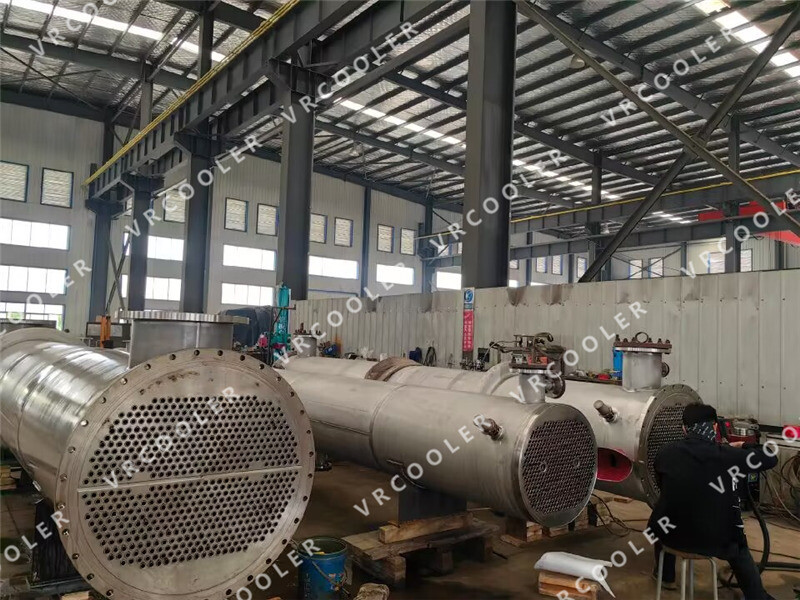
Pressure and temperature conditions must also be confirmed. This includes the design pressure, design temperature, operating pressure, allowable pressure drop on the water side, and steam-side pressure conditions. For steam heating service, proper condensate drainage, venting, and protection against water hammer should be considered, because unstable steam supply or poor condensate removal can reduce heating performance and damage the heater.
For marine tank cleaning heaters, installation details are also needed. These include available installation space, horizontal or vertical mounting requirement, nozzle size and flange standard, maintenance clearance, drainage arrangement, and whether the tube bundle needs to be removable for cleaning and inspection. If the heater is used on a vessel, the required marine classification society or standard, such as ABS, BV, DNV, LR, CCS, or ASME/TEMA requirements, should also be specified.
In general, a complete inquiry should include: cleaning water flow rate, inlet and outlet temperatures, steam pressure, water quality, working pressure, design pressure, allowable pressure drop, material preference, connection standard, installation layout, and certification requirements. With this information, the manufacturer can design a reliable tank cleaning heater with suitable heat transfer capacity, safe operation, corrosion resistance, and easy maintenance.