
Feedwater heaters are used to preheat boiler feedwater using turbine extraction steam so the power plant runs more efficiently, wastes less heat in the condenser, and reduces thermal stress on the boiler.
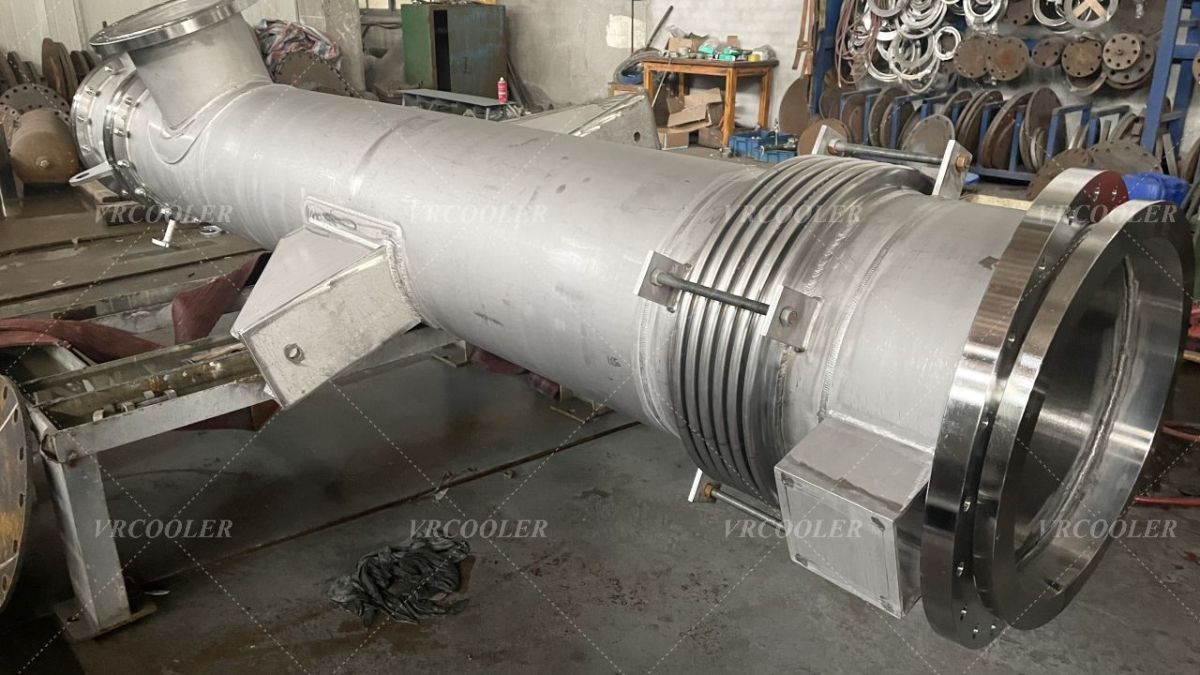
Improve cycle efficiency and save fuel
Preheating feedwater means the boiler does not need to add as much heat to reach steam conditions, which improves Rankine cycle efficiency and lowers fuel consumption.
Using extraction steam to heat feedwater keeps that energy inside the cycle instead of rejecting it to the cooling tower or river through the condenser.
Reduce condenser heat rejection and backpressure
When more energy is removed from steam in feedwater heaters, less latent heat must be removed in the condenser, so condenser duty and cooling-water requirements decrease.
Lower condenser load helps maintain better vacuum and lower turbine exhaust pressure, which also improves overall turbine output and heat rate.
Improve boiler reliability and thermal stress
Gradually raising feedwater temperature toward saturation reduces temperature differences between incoming water and boiler metal, cutting thermal shock and fatigue damage.
This smoother temperature profile helps extend boiler life and reduces tube leaks and cracking associated with rapid temperature swings.
Enhance overall plant economics
Higher efficiency means lower fuel costs and often lower emissions per kWh, which improves the plant’s economic and environmental performance.
Because feedwater heaters are passive heat exchangers that recover internal energy, they typically provide a favorable cost–benefit ratio over the plant’s life.